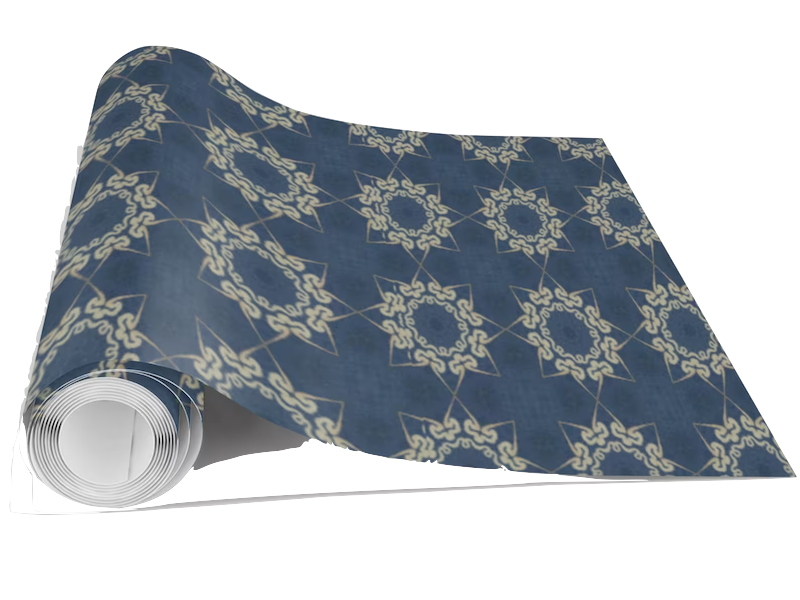
I run a wrapping paper studio called Specimen Press. Every design is built by applying crystallographic wallpaper symmetry group transformations — p4m, p6m, cmm, p3m1, and others — to public domain museum source material: Hokusai ghost prints, Dutch Golden Age flower paintings, Rijksmuseum botanical studies. The symmetry group determines the tile geometry; the historical artwork fills it. The result is printed paper sold on Etsy.
You've written about how wallpaper symmetry connects math to art and culture, and argued for its place in the secondary curriculum. Specimen Press is essentially that argument made physical — a consumer product built entirely on the 17 wallpaper groups, where the math is both invisible and foundational.
I thought it might be a useful concrete example for teachers illustrating where these structures appear in the world.
-- Noémie